
Air quality affects health, workplace safety, regulatory compliance, and environmental outcomes. Contaminants in the form of dust, fumes, vapours, and gases can originate from industrial processes, contaminated land, landfill sites, and building materials — with concentrations often higher indoors than in ambient outdoor environments.
Envirolab is NATA accredited for a comprehensive range of air and gas analytes including VOCs, sulphur compounds, fixed and permanent gases, and stack emission parameters. If you're looking for a specific compound not listed here, contact us — our accreditation list is extensive.

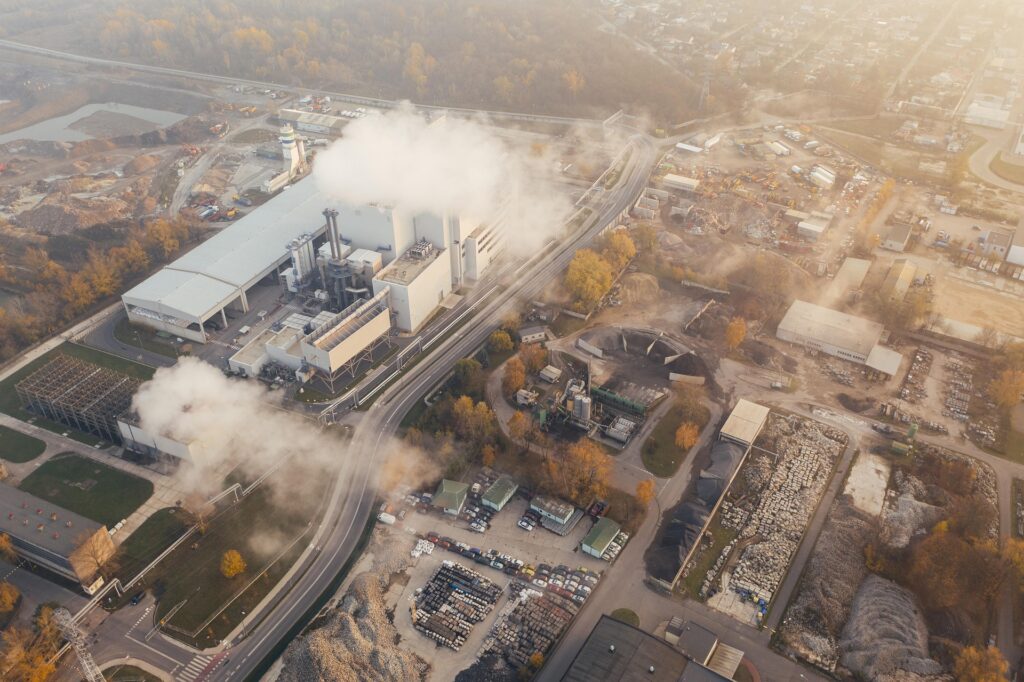
Volatile Organic Compounds (VOCs) evaporate readily at room temperature and can accumulate in indoor environments from building materials, furnishings, office equipment, and industrial processes. On contaminated sites, VOCs from fuel spills and chlorinated solvents can migrate through soil gas into buildings — a pathway known as vapour intrusion.
Envirolab is NATA accredited for VOC analysis across three key collection methods
Industrial facilities are required to monitor and report stack emissions under environmental licensing conditions. Envirolab provides comprehensive stack testing and stationary source emission analysis, supporting compliance reporting across a wide range of industrial sectors.
Note: Dioxins, SVOCs and co-planar PCBs in stack emissions are available via sub-contract. Contact us to discuss your full reporting requirements.
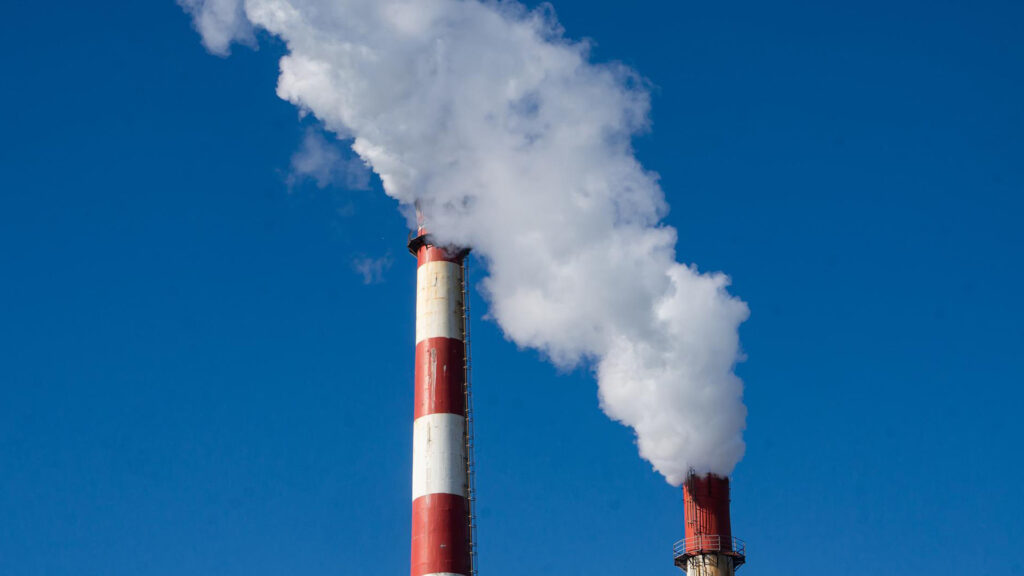

Ground-level ozone forms when nitrogen oxides (NOx) and volatile organic compounds react under UV radiation. Unlike stratospheric ozone, ground-level ozone is a pollutant with significant impacts on human health, vegetation, and ecosystems. Urban sources include vehicle exhaust, incinerator emissions, and industrial processes.
Sampling advice: Sample collection method selection depends on the monitoring scenario. Contact our team to confirm the right approach for your project before sampling.
Sulphur compounds in air arise from fossil fuel combustion, ore smelting, and petroleum refining. At elevated concentrations many are toxic, and even at low concentrations hydrogen sulphide and related compounds produce the characteristic odour associated with industrial sites, landfills, and wastewater treatment facilities.
Monitoring sulphur speciation in air is important for both regulatory compliance and workplace health and safety.

Vapour intrusion occurs when volatile chemicals in contaminated groundwater or soil emit vapours that migrate upward through soil and into buildings via foundations, basements, and service penetrations. It is one of the key exposure pathways assessed during contaminated site investigations and is increasingly scrutinised in regulatory submissions.
Fugitive emissions from pressurised industrial equipment present a similar risk in workplace environments. Both require careful, representative sampling to accurately characterise exposure risk.
Key consideration: Vapour sampling conditions at the time of collection should match conditions under which occupant exposure occurs — seasonal variation, building pressurisation, and HVAC operation all affect results. Our team can advise on representative sampling design.
Talk to our team about your air quality or gas testing requirements
we'll advise the right sampling method and get results back fast.