
Water quality testing underpins regulatory compliance, environmental monitoring, public health protection, and infrastructure management. Whether you're assessing groundwater contamination on a remediation project, testing drinking water for regulatory submission, or monitoring wastewater discharge — correct sampling and preservation is as critical as the analysis itself.
Envirolab Services is NATA accredited for the testing and analysis of a wide range of water types, with methods compliant with AS/NZS 5667 and APHA Standard Methods.
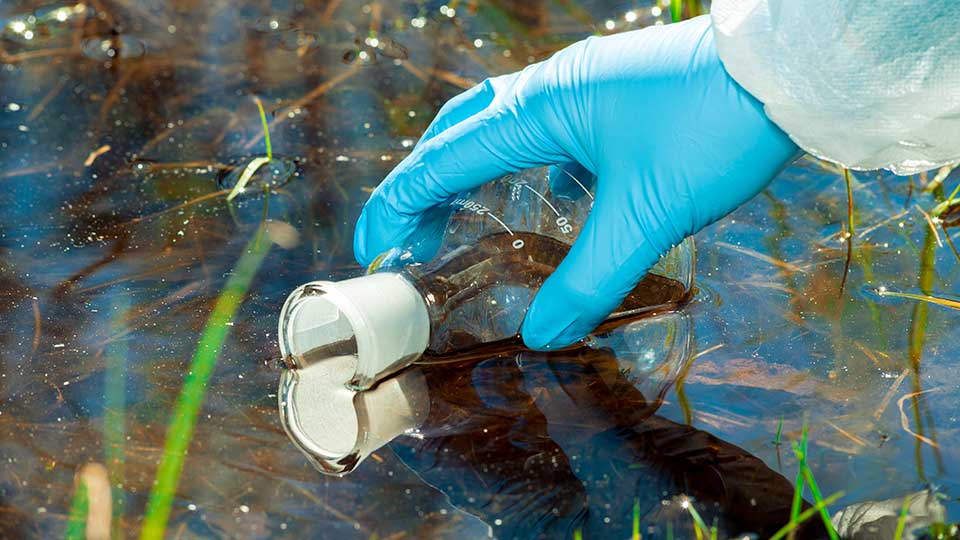
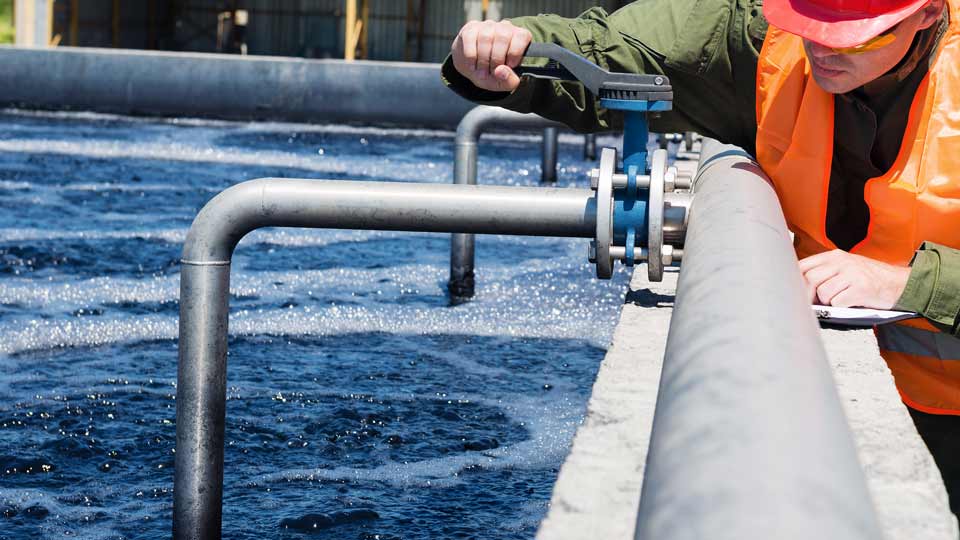
Organic contamination in water can originate from fuel storage leaks, industrial discharge, agricultural runoff, and historical use of chlorinated solvents. Our laboratory testing covers the full range of organic parameters required for site assessment and regulatory compliance.
Anion and cation profiles are fundamental water quality indicators — informing everything from potability assessments and irrigation suitability to infrastructure corrosion risk and concrete cancer potential in buildings and civil works.
Note: Chlorine (free and total residual) is recommended for field testing due to holding time constraints — contact us to confirm the right approach for your project.

When assessing ecosystem protection, knowing the total dissolved metal concentration may not be sufficient — what matters is how much of that metal is bioavailable and capable of crossing cellular membranes. Chelex® resin selectively retains the bioavailable fraction, providing a more ecologically meaningful result than standard filtered analysis.
NATA accredited for Chelex® Bioavailable Metal Speciation across 16 elements in natural waters:
Sampling note: Samples must be 0.45µm or 0.1µm field filtered into an unpreserved metals (HDPE) bottle before delivery.
PFAS are highly mobile in the environment — they travel readily through groundwater and surface water systems, often detected at significant distances from the original source. Municipal drinking water, wells, dams, rivers, and groundwater all require testing where PFAS use or disposal is suspected.
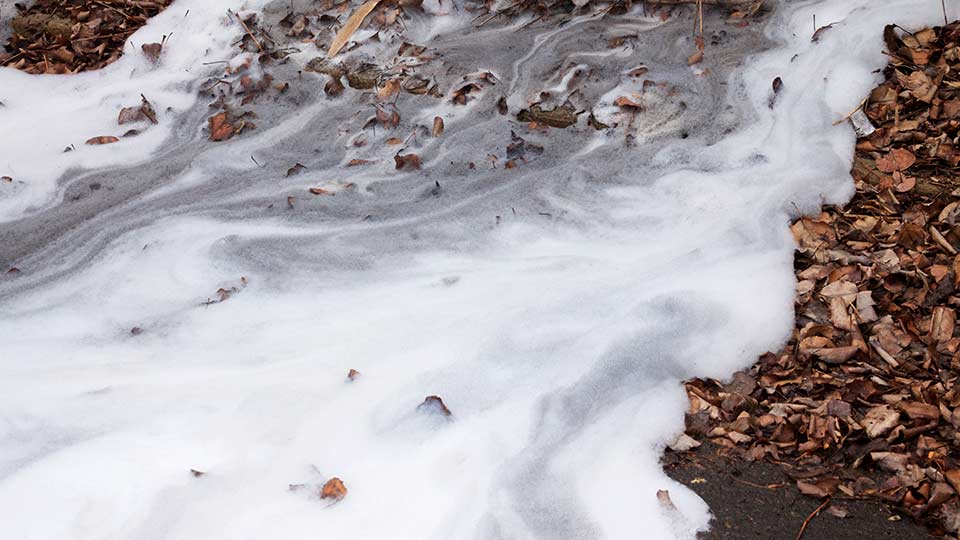
Pathogenic micro-organisms in water pose direct public health risks. Sources include human and animal waste, septic system discharge, sewage treatment, and natural environmental contamination of rivers, lakes, and recreational water bodies.
Envirolab (Perth) milestone: First commercial laboratory in Western Australia to achieve NATA accreditation for full speciation of Naegleria using PCR.
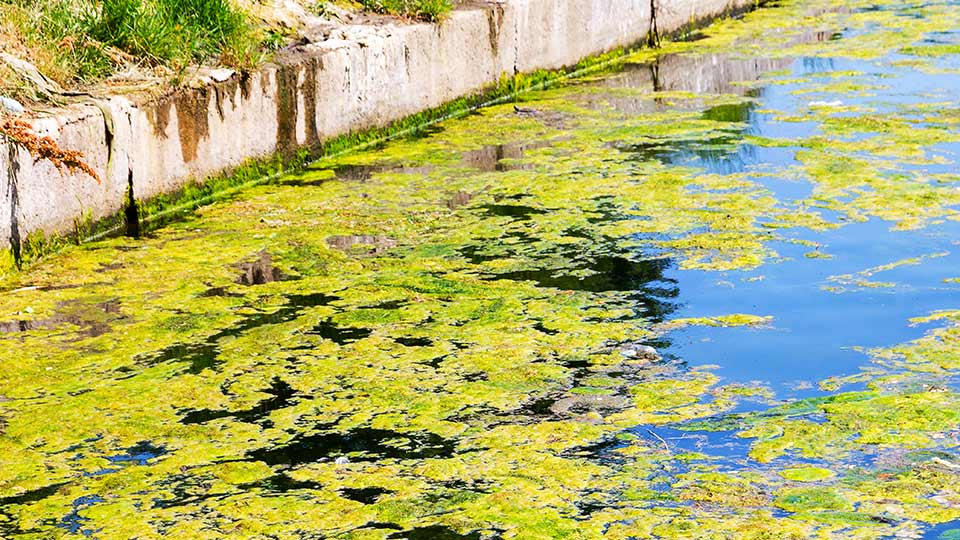
Elevated nutrient levels in water bodies drive algal blooms, oxygen depletion, and ecosystem collapse — a process known as eutrophication. Agricultural runoff and sewage discharge are common sources, and nutrient contamination in drinking water bores from fertiliser use is a growing concern.
Inorganic water quality parameters are used across regulatory compliance, environmental monitoring, industrial process control, and infrastructure assessment. These physico-chemical measurements provide a baseline picture of water quality in both natural and engineered systems
Note: Chlorine (free and total residual) degrades rapidly after collection — field testing is recommended where possible. Contact us to confirm holding times and preservation requirements for your specific parameters.
Heavy metals in water arise from industrial activity, mining, and corrosion of infrastructure. Our standard suite covers the most regulated metals, with an extended panel of up to 30 trace metals and rare earth elements (REE) available for more complex monitoring programs.
Emerging contaminants: Pharmaceutical monitoring in wastewater is increasingly required under industrial licensing. Contact us to discuss your specific monitoring obligations.
Talk to our team about your water testing requirements — we'll advise the right testing suite, supply sample bottles, and turn results around fast.